Mindful Drinking: Choose What You Actually Want From a Drink
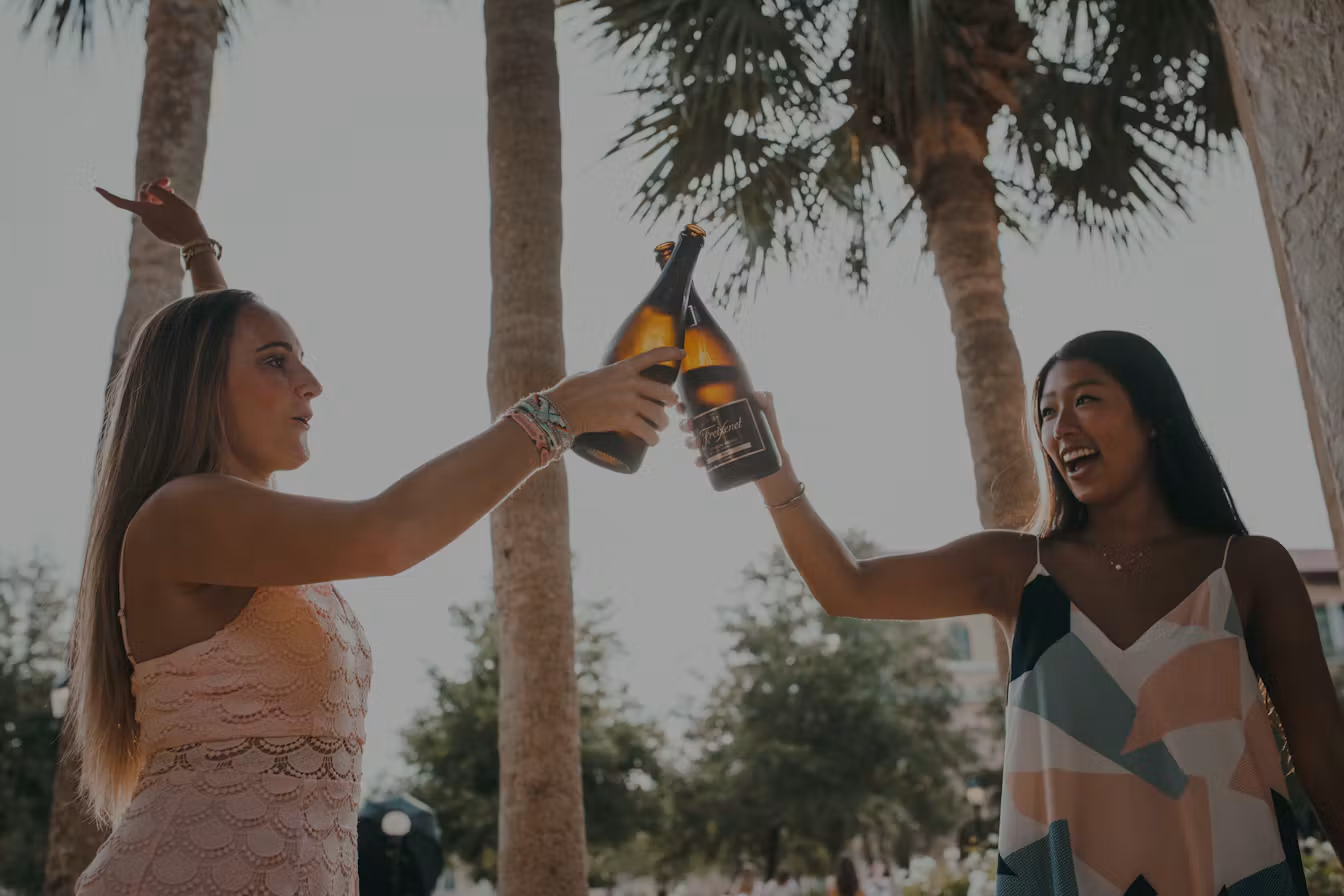
Mindful drinking means paying attention to whether, when and why you drink. You don't need to give up alcohol or adopt a label. The useful part is simpler: notice what you want from the drink, then decide whether alcohol is the best way to get it on that occasion.
What Mindful Drinking Means in Practice
Mindfulness is about slowing down and paying attention to the present. Alcohol Change UK describes it as taking active steps to slow down and focus on the here and now. Applied to drinking, that means making the decision consciously and noticing the part alcohol plays in your life.
That can still include a glass of wine or a pint. Mindful drinking is about choosing it deliberately, paying attention to how it feels, and noticing when another drink is more habit than choice.
It also fits the way many people already drink. Portman Group and YouGov research reported by Morning Advertiser found that 86% of UK adults either abstain or drink within 14 units a week. The UK Chief Medical Officers’ low risk drinking guidelines recommend no more than 14 units a week, spread over three or more days.
Three Questions Worth Asking
Professor David Nutt, co-founder and Chief Scientific Officer of GABA Labs, takes a practical approach to this in his book Drink? The New Science of Alcohol and Your Health. His advice starts with understanding your own drinking patterns, then deciding which drinks are actually worth having.
- Before you drink: what do you want from it? Professor Nutt’s rule of thumb is that a drink should give you something useful, such as pleasure, relaxation or sociability, and that drinking out of habit is where most people get into trouble. You do not need to pin a label on yourself. Just notice which one is doing the work tonight.
- Look back: which drinks were actually worth it? Think about the ones you enjoyed, the ones that added something to the occasion and the ones you could easily have skipped. A drink diary can make those patterns surprisingly obvious.
- Notice your triggers and habits. Rounds, top-ups, drinking quickly, coming straight from a stressful day or simply drinking because the bottle is there can all nudge you past what you meant to have. Once you know the pattern, you can decide in advance what you want to do differently.
The common thread is attention. Notice why you want the drink, whether you are enjoying it and what tends to make you carry on. That makes drinking more deliberate without turning it into a set of rules.
Start With the Effect You Want
GABA Labs starts one step earlier, with the effect you want from the drink. A lot of mindful drinking advice focuses on quantity. The reason for drinking matters too.
Most drinking occasions involve one or more of these:
- To unwind after a stressful day
- To feel at ease in a social setting
- To enjoy a taste, like a good beer, wine or cocktail
- To mark an occasion, like a celebration or a toast
- To fit in with a round or a ritual
These are different jobs, and they don’t all need the same answer. If taste is the main thing, an alcohol-free version of your favourite drink may do the job completely. If it’s the occasion, the glass in your hand can matter as much as what is in it.
Unwinding and social ease are where alcohol’s pharmacology matters more. One important part of that story is GABA-A signalling. GABA, short for gamma-aminobutyric acid, is the brain’s main inhibitory neurotransmitter. Alcohol enhances GABA activity, which contributes to some of its early relaxing effects and to the sense that social interaction feels easier. You can read the full explanation in our guide to why alcohol actually makes you relax, and the basics on the GABA Labs science page.
Thinking in terms of effect gives you a more useful decision to make each time: what are you after tonight, and which option fits it best?
Match the Drink to the Job
Once you’ve named the effect, the options get clearer. The table below is a simple starting point.
| What you want | Options worth considering |
|---|---|
|
To unwind after work |
Gentle movement, calming music, a proper meal, or a drink designed to relax |
|
Social ease |
A functional drink designed around GABA-related mechanisms, a good conversation, or a setting you enjoy |
|
A taste you love |
An alcohol free or de-alcoholised version, or a small serving of the real thing |
|
To mark an occasion |
A good glass and a proper drink in it, alcoholic or not |
|
To keep up with a round |
Alternating drinks, or an alcohol free option you actually want |
Some of these have nothing to do with alcohol at all. Our guide to five ways to relax covers the non-drink options in more detail.
For unwinding and social ease, functional drinks offer another route. Sentia is a range of GABA-enhancing functional drinks built on ingredient technology from GABA Labs, and available in the UK, US and EU. It is designed around GABA-related mechanisms associated with alcohol’s early relaxing effects. It is not a medical treatment, and individual experiences differ. The scientific rationale behind the approach is set out in Functional Alternatives to Alcohol, published in Nutrients in 2022 by Professor David Nutt and colleagues.
As David Orren, GABA Labs’ co-founder and Chief Executive, says on the GABA Labs homepage:
“Consumers are already changing how they drink. The opportunity now is to meet them where they are by offering meaningful choices.”
That captures the GABA Labs view well: give people better choices, and let them decide what fits the occasion.
How to Make Mindful Drinking Easier
A few simple habits make the idea easier to use in real life.
- Decide before you go out. It’s easier to choose what you want from the evening before you’re standing at the bar.
- Keep the alcohol-free option appealing. If it feels like a consolation prize, you’ll probably skip it.
- Pay attention to how you feel. That includes the next morning, but also what’s happening while you’re drinking.
- Be flexible. One evening doesn’t have to look like the next.
For more on how GABA Labs thinks about choice, alcohol and social drinking, the page for consumers and socialisers is the place to start. If you are worried about your drinking, a GP or a service such as Drinkaware can help.
Frequently Asked Questions
What is mindful drinking?
Mindful drinking means deciding whether, when and what to drink consciously instead of running on autopilot. It involves noticing why you want a drink, how it feels while you have it and when you’ve had enough. You don’t have to give up alcohol altogether.
Does mindful drinking mean giving up alcohol?
No. You can still drink alcohol and drink mindfully. Some people use the approach to drink less, while others use it to become more deliberate about what and when they drink. The point is to understand what you want from each drink and choose accordingly.
How is mindful drinking different from being sober curious?
Sober curious usually means exploring life with less alcohol, or none at all. Mindful drinking can include alcohol. It focuses on paying attention to why you are drinking and choosing deliberately, whatever you end up choosing. The two can overlap, and you can be a mindful drinker without ever planning to cut down.
Can an alcohol alternative help with mindful drinking?
Yes. If the effect you want is relaxation or social ease, a functional drink designed around GABA-related mechanisms, such as Sentia, offers another option that does not rely on ethanol. It is one tool among several, not a requirement, and individual experiences vary.

About Author
Senior Full Stack Developer and Team Lead at Gaba Labs with over 9 years of experience building high-performance web and mobile solutions.
In This Article